
Finding a foolproof blemish treatment for oily skin types felt like chasing a ghost when my forehead looked like an oil slick by noon every day. Waking up to painful clusters along your cheeks makes you want to scrub your pores raw with alcohol. Aggressive stripping only triggers more grease and angry red bumps. You just need three smart steps to clear your pores permanently.
Why Traditional Oily Skin Fixes Keep Causing Breakouts
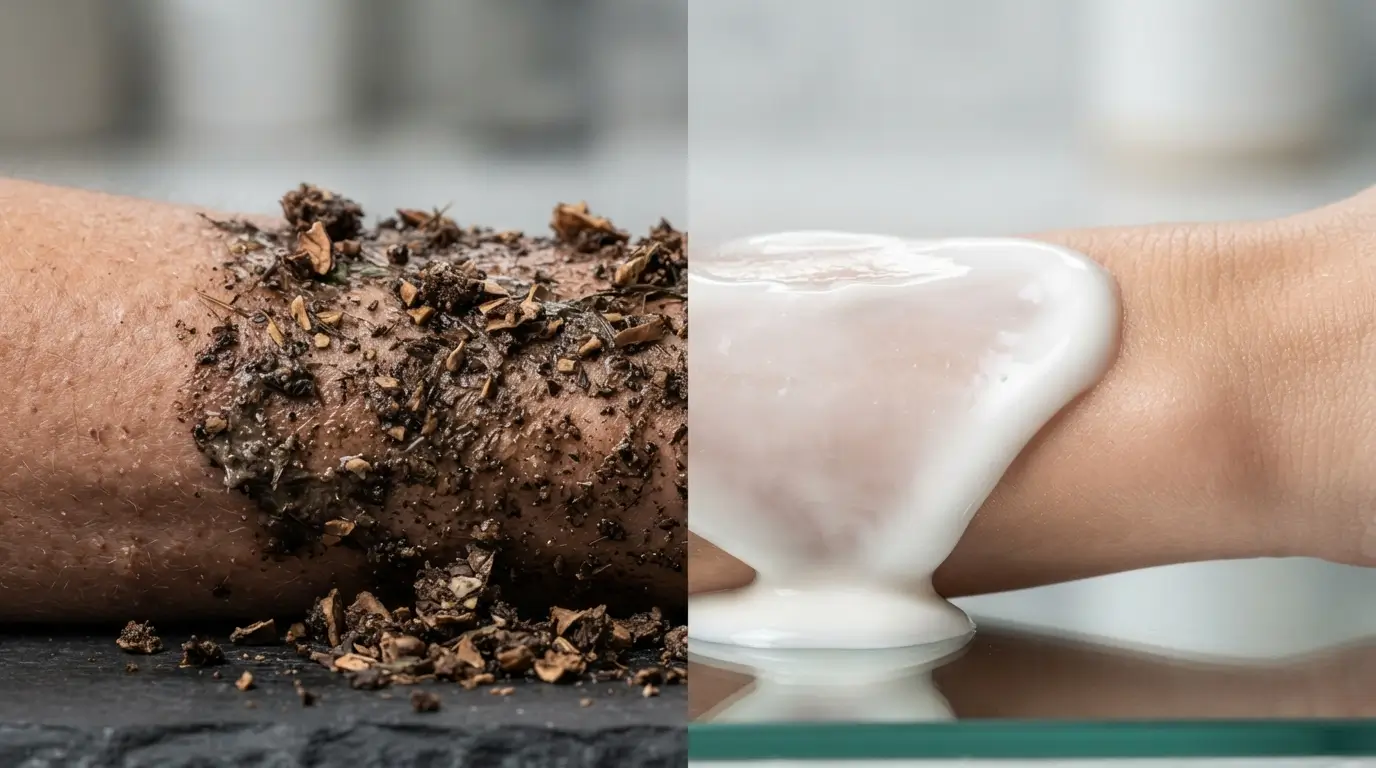
Most people treat oily, breakout-prone complexions like dirty frying pans that need aggressive scouring. You buy astringent witch hazel toners, scrub your nose with crushed walnut shells, and skip lotion entirely because you fear extra shine. Doing this completely dismantles your acid mantle and dries out surface skin cells. When the top layer of skin becomes dehydrated, dead cells clump together inside pore openings rather than shedding freely.
Your sebaceous glands sense the extreme dryness and pump out a massive surge of sebum to compensate. This vicious cycle leaves you with greasy skin layered directly over tight, painful cystic bumps. Rebuilding your skin barrier with gentle ingredients halts this overproduction faster than any alcohol wipe ever could.
Step 1: Deep Cleansing Without Stripping the Moisture Barrier
Washing your face should leave it feeling clean and refreshed, never tight, squeaky, or parched. Reach for a water-based foaming gel that uses gentle surfactants instead of sodium lauryl sulfate. Brands like La Roche-Posay Toleriane Purifying Cleanser and CeraVe Foaming Cleanser remove excess daytime sebum without pulling essential water from your dermal layers.
Wet your face with lukewarm water, lather a nickel-sized drop between wet palms, and massage the foam gently over your skin for sixty seconds. Taking a full minute allows the cleansing agents to break down stubborn oil pools around your nose and chin. Rinse thoroughly with cool water to soothe redness. Avoid washing more than twice a day, since excessive washing triggers a rebound oil surge by lunchtime.
Step 2: Unclogging Congestion with Oil-Soluble Chemical Exfoliants
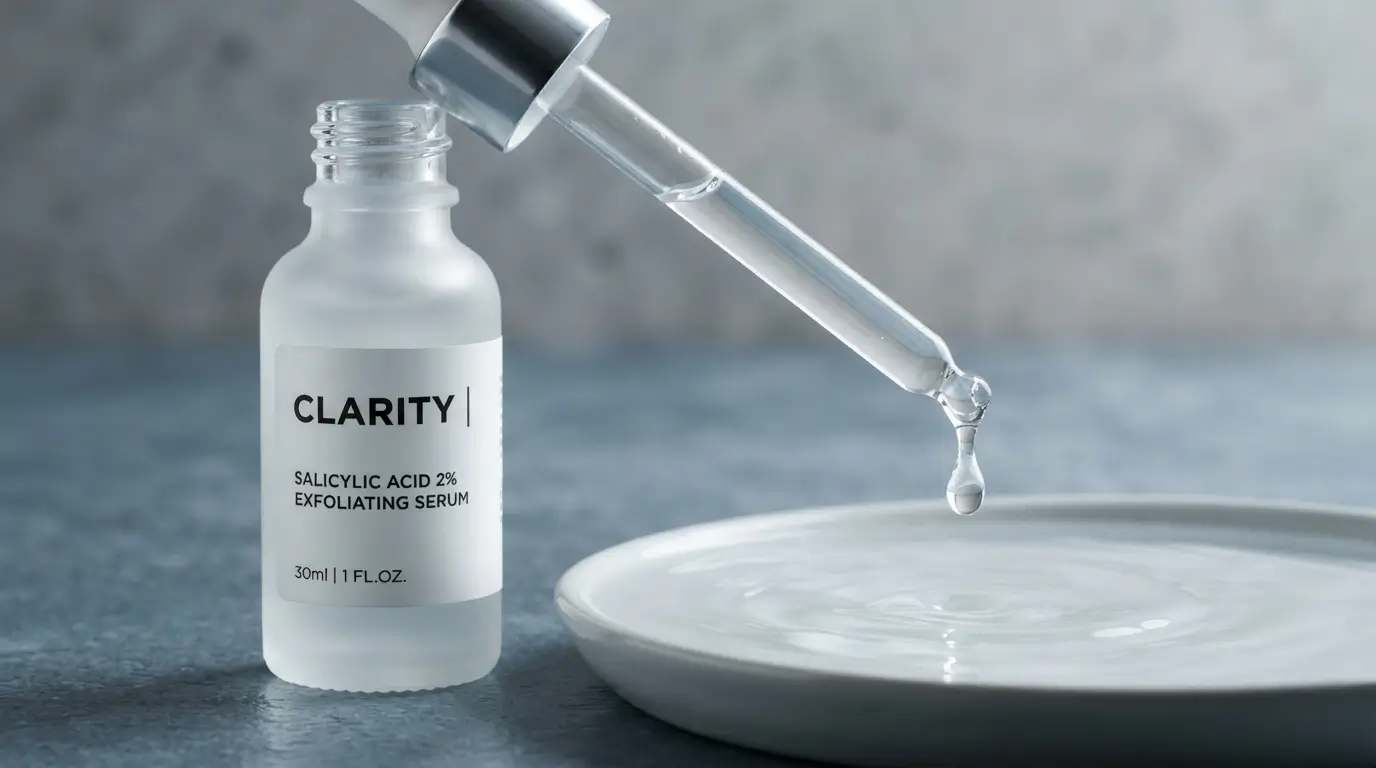
Dead skin cells and thick sebum combine deep inside pores to create sticky plugs that turn into blackheads and pimples. Water-soluble acids like glycolic acid only work on the very surface of your skin, doing little for congested oily pores. You need an oil-soluble beta hydroxy acid to cut through greasy buildup beneath the surface.
Using salicylic acid at a two percent concentration dissolves the glue holding trapped debris inside your pore linings. Apply a liquid exfoliant like Paula’s Choice 2% BHA or The Ordinary Salicylic Acid twice a week on dry skin after washing. It penetrates deep into follicles to clear away stubborn blackheads and refine bumpy texture around your T-zone. Start slowly to avoid flaking, then increase usage to three nights a week once your skin adjusts comfortably.
Step 3: Targeted Blemish Control with Proven Topical Actives
Attacking a breakout with four different medicated creams on the same night leads straight to raw, peeling disaster. Choose one clinically backed active ingredient and stay consistent for at least six weeks before assessing results. Benzoyl peroxide destroys acne-causing bacteria on contact, while adapalene regulates cell turnover to prevent future blockages from forming.
A low-strength benzoyl peroxide gel around 2.5 percent kills surface bacteria just as effectively as harsh ten percent formulas, but without the stinging, redness, or peeling. Smooth a thin layer over breakout-prone areas every other evening after cleansing. If you deal with deep hormonal cysts rather than surface whiteheads, consider over-the-counter adapalene gel instead. Adapalene clears congested follicles while smoothing rough post-acne texture over time.
Step 4: Lightweight Water-Based Hydration for Slick Complexions
Skipping moisturizer remains the single most common mistake people with oily complexions make. Dehydrated skin signals your oil glands to produce thicker, stickier sebum, which directly worsens pore congestion. The secret is delivering pure water to skin cells without adding heavy plant oils or pore-clogging waxes.
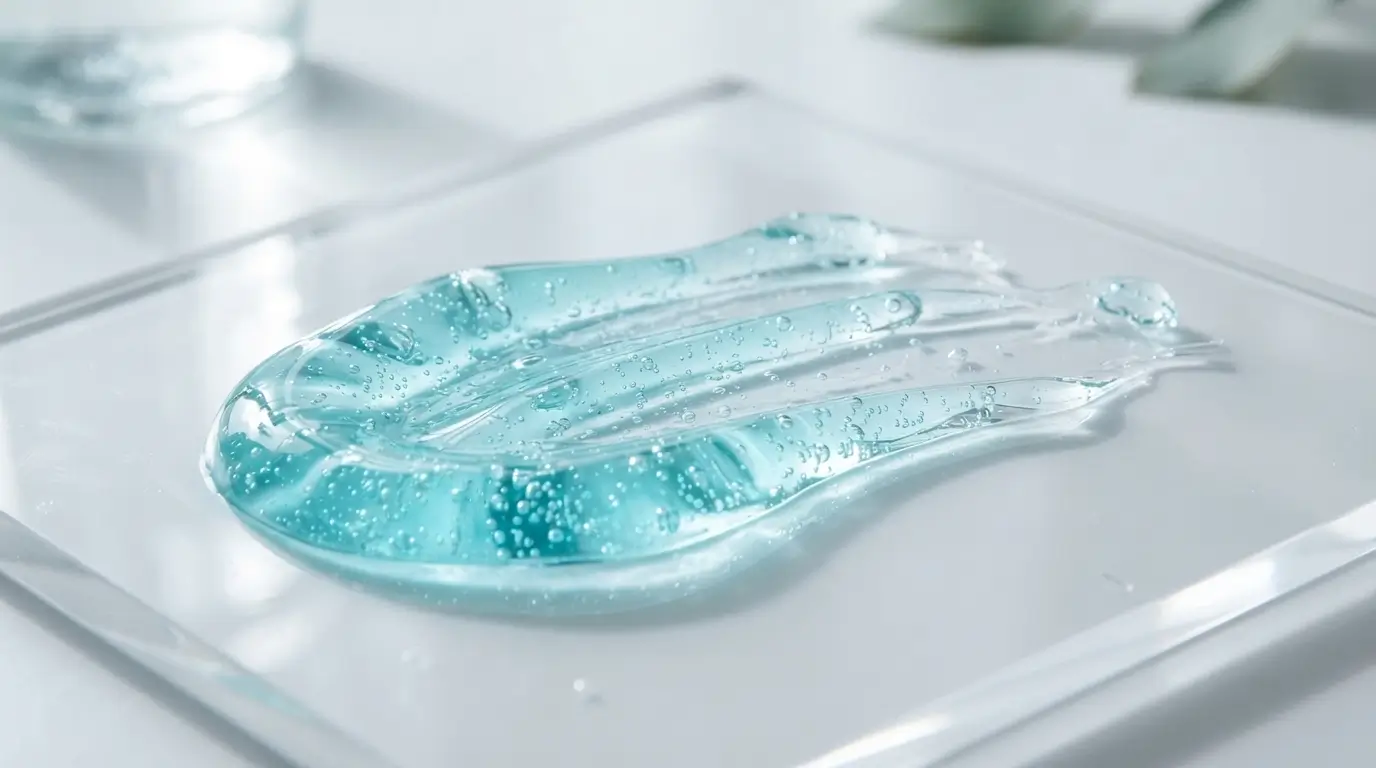
Look for an oil-free, non-comedogenic gel-cream loaded with hyaluronic acid or ceramides. Products like Neutrogena Hydro Boost Water Gel or Versed Dew Point Moisturizing Gel-Cream absorb instantly without leaving a sticky residue on your face. Smooth a blueberry-sized amount over damp skin immediately after washing to lock in hydration. Your skin stays plump and balanced throughout the day, which naturally regulates shine and speeds up blemish healing.
Step 5: Non-Greasy Sun Protection to Stop Dark Blemish Marks
Sun exposure might dry out a pimple for a couple of hours, but ultraviolet rays darken post-acne marks into stubborn brown patches that last for months. Skipping sun protection guarantees that every minor breakout leaves a permanent mark on your face. Modern sunscreen formulations protect your skin without feeling heavy or causing greasy shine.
Pick a fluid chemical or mineral sunscreen formulated specifically for breakout-prone skin, such as EltaMD UV Clear or Biore UV Aqua Rich. Formulas packed with zinc oxide work wonders because mineral zinc naturally calms active inflammation while deflecting damaging rays. Smooth a quarter-sized amount across your face every single morning as the final step of your skincare routine. Fluid sunscreens dry down completely matte, providing a smooth base that prevents midday shine.
Setting Up a Foolproof Blemish Treatment for Oily Skin Types Daily
Executing a foolproof blemish treatment for oily skin types comes down to building a morning and evening rhythm you can stick with every day. Keep your products lined up on the bathroom counter in the order you apply them to eliminate guesswork before school or work.
Also Read: No-Fail Acne Routine for College Students 2026
Your morning routine focuses strictly on defending your skin barrier from pollution, excess sweat, and sunlight:
- Wash your face with lukewarm water or a quick pump of gentle foaming cleanser.
- Apply an oil-free gel moisturizer evenly over damp skin to balance hydration.
- Smooth broad-spectrum SPF 40 or higher across your face and neck.
Your evening routine focuses entirely on clearing pores and repairing damaged skin:
- Cleanse your skin thoroughly with a gentle foaming wash to remove daytime grease.
- Apply your active treatment, like salicylic acid or benzoyl peroxide, on completely dry skin.
- Seal your moisture barrier with a lightweight ceramide lotion.
Emergency Fixes for Painful Cystic Flare-ups
Squeezing a deep, tender bump in front of the mirror guarantees swelling, tissue damage, and dark scarring. When a painful breakout appears before an important event, calm the inflammation instead of attacking the skin.
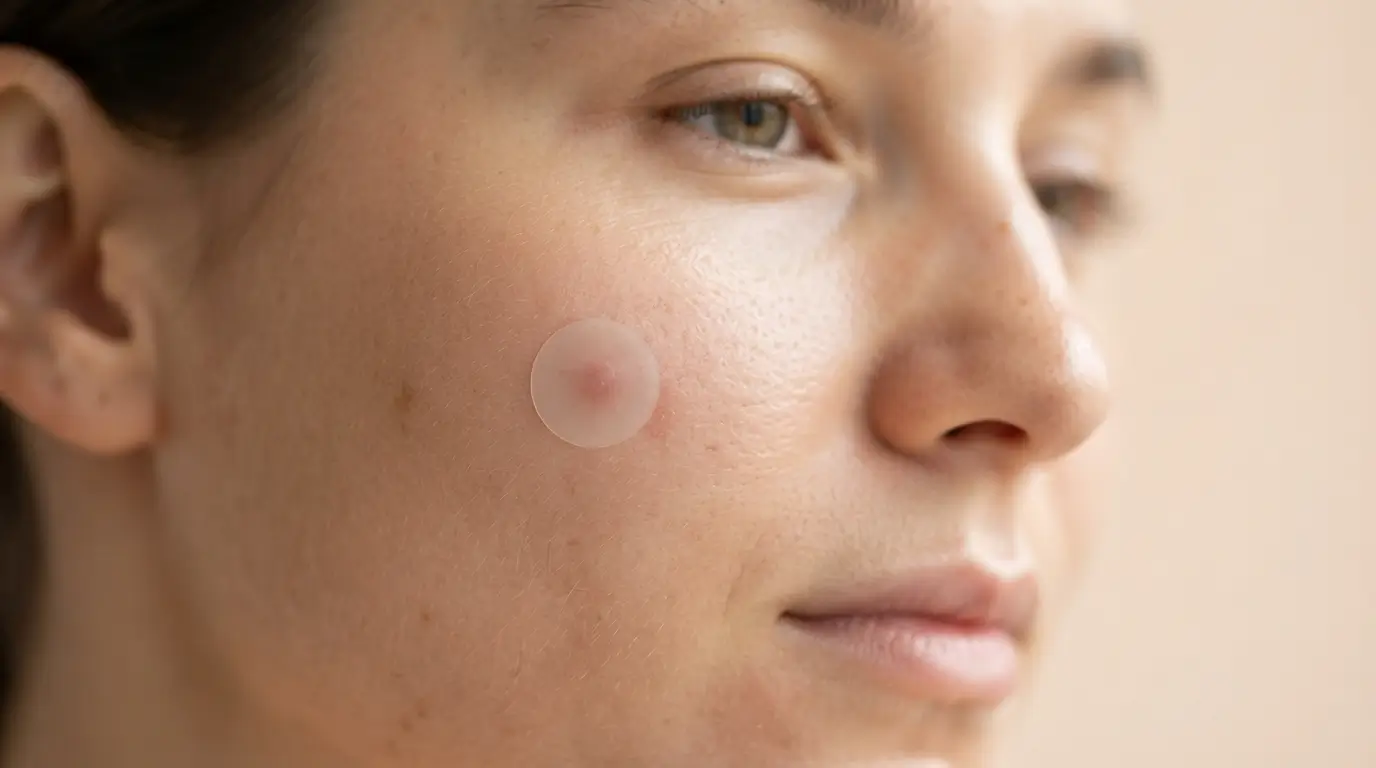
Applying a hydrocolloid patch over a whitehead draws out trapped fluid while shielding the open lesion from airborne bacteria and wandering fingers. For deep cystic blemishes that sit under the skin without a visible head, wrap an ice cube in a clean paper towel and hold it against the area for four minutes.
The cold temperature constricts local blood vessels and rapidly reduces swelling. Follow with a tiny dab of two percent salicylic acid to soothe the follicle without rupturing delicate tissue.
Daily Habits That Sabotage Oil Production and Clog Pores
Sticking to a foolproof blemish treatment for oily skin types means watching what touches your face throughout the day. Your smartphone screen collects facial grease, makeup, and pocket dust, transferring bacteria straight to your jawline every time you take a call. Wipe down your phone screen daily with an alcohol wipe to prevent localized clusters.
Change your pillowcase every two to three days without exception. Cotton absorbs sweat and oil from your hair and face, pressing old grime back into your pores for eight hours each night. Avoid resting your chin in your hands while sitting at a desk or working on a laptop. Touching your face introduces foreign bacteria and creates localized friction that inflames active pores, undoing the hard work of your daily skincare routine.
Frequently Asked Questions
How long does a foolproof blemish treatment for oily skin types take to show visible results?
Skin cells take roughly four to six weeks to turn over, so give any new routine at least eight weeks of consistent use. You will notice reduced surface shine and less redness within two weeks, but genuine clearing of deep pore blockages takes steady dedication without switching products.
Should I use a clay mask to absorb extra surface grease?
Using a gentle kaolin clay mask once a week helps draw out surface impurities and excess oil from stubborn pores. Avoid masks that dry down until they crack and hurt your face, because extreme tightness strips your protective barrier and triggers a rapid rebound of grease.
Can oily skin types skip daily moisturizer during humid summer months?
Skipping moisturizer during hot, humid weather backfires by drying out your skin cells. When your barrier loses water, your sebaceous glands produce heavier oil to prevent evaporation. Switch to an ultra-lightweight water gel or an oil-free hyaluronic acid fluid instead of skipping hydration entirely.
Is salicylic acid better than benzoyl peroxide for oily breakouts?
Salicylic acid works best for blackheads, enlarged pores, and general congestion because it dissolves trapped oil inside pore walls. Benzoyl peroxide excels at killing acne-causing bacteria in red, inflamed pimples. Alternating both treatments throughout the week delivers thorough clearance without irritating your skin barrier.
Why does my face get shiny only a few hours after washing?
Midday shine usually happens when your cleanser is too harsh, stripping away your moisture barrier and causing emergency sebum production. Switch to a gentle, low-pH foaming gel and layer a light gel moisturizer over damp skin to balance your oil levels naturally.
Conclusion
Balancing an oily complexion takes patience and gentle consistency rather than harsh chemical warfare. Once you feed your skin lightweight hydration and use proven actives correctly, clear pores will follow naturally. Which gentle active are you planning to test out first?
