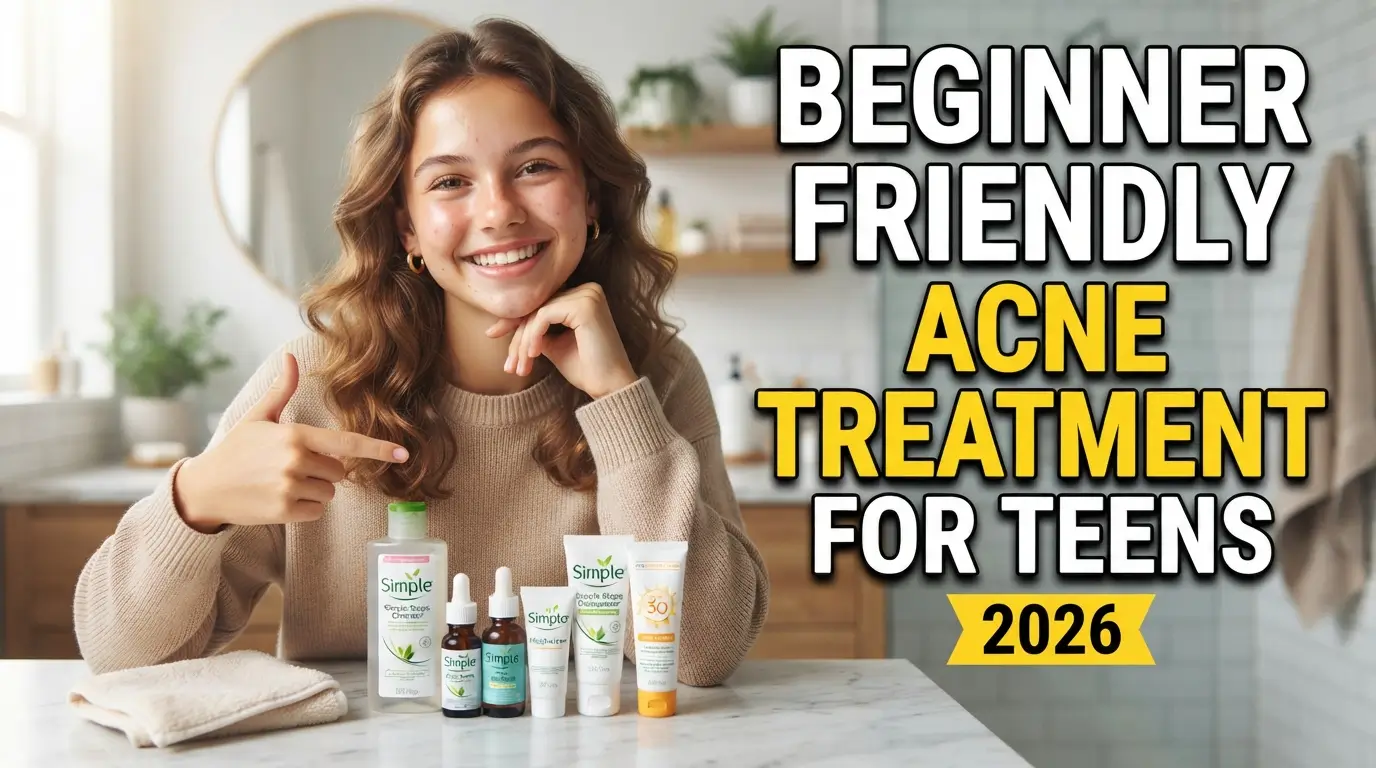
Finding a reliable beginner friendly acne treatment for teens feels impossible when your bathroom counter looks like a mini pharmacy of half-used bottles. Waking up to another painful breakout right before school pictures hurts in a very specific way. You do not need a ten-step routine or harsh scrubs that burn your cheeks. You just need three gentle, consistent steps that soothe angry skin without causing more irritation.
Why Most Teen Skincare Advice Backfires
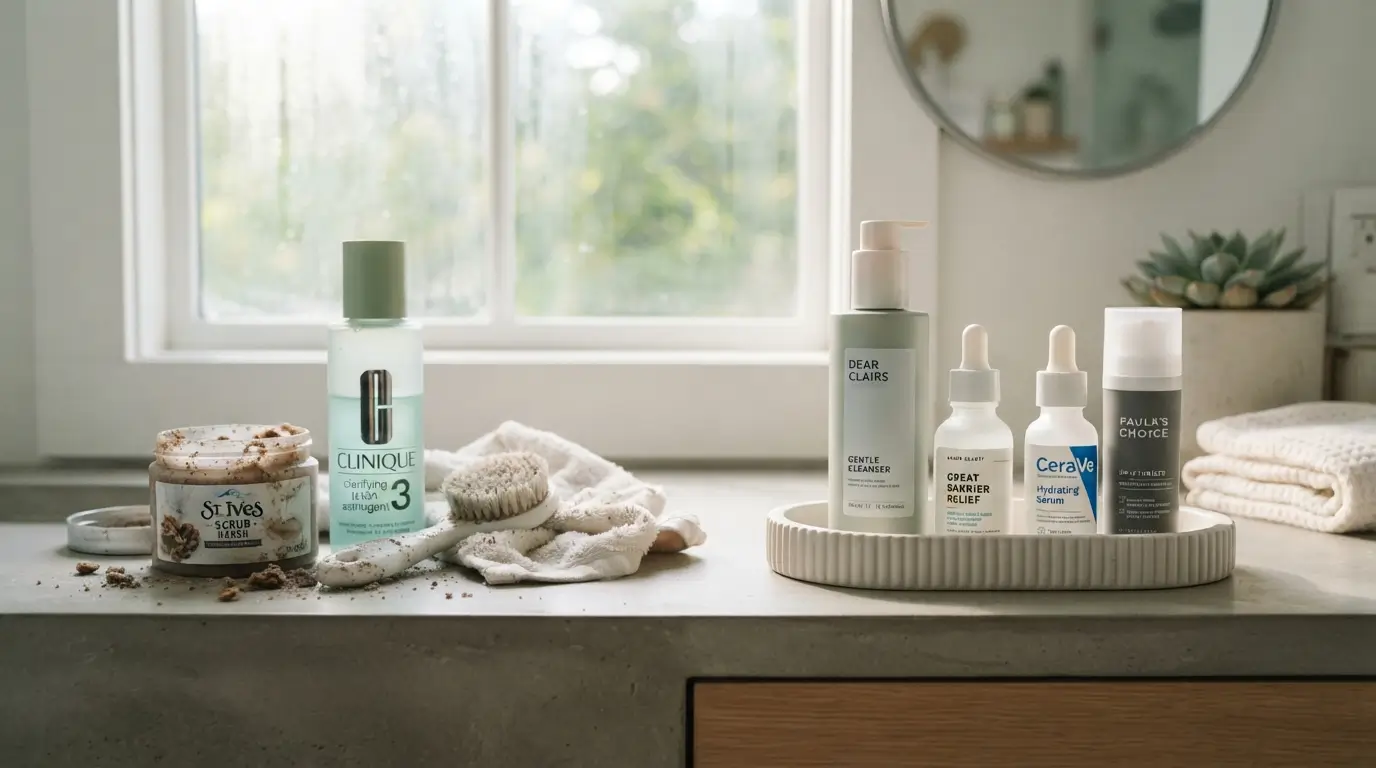
Throw away the apricot scrubs and astringent pads sitting on your bathroom shelf right now. Most teenagers start their skincare journey by attacking their faces with whatever burn-inducing wash they see on TV commercials. I ruined my own face for two solid years by scrubbing my forehead with gritty beads until my cheeks turned bright red and squeaked.
Aggressive scrubbing tears up your delicate moisture barrier, which triggers oil glands to produce twice as much sebum to protect the raw surface. This creates a miserable cycle of tight, flaky patches layered directly over inflamed, painful zits. Healing your skin barrier with gentle products stops recurring breakouts far faster than fighting your pores with harsh chemicals.
The Core Rule: Less Friction, More Moisture
Your face is living tissue, not a greasy kitchen pan that needs scouring. When irritation sets in, inflammation worsens every tiny clogged pore into an angry, throbbing bump. A good beginner friendly acne treatment for teens skips harsh alcohol pads and focuses entirely on calming that redness first. If a product stings or leaves your skin feeling taut like plastic wrap, throw it out immediately.
Also Read: Quick Anti-Aging Regimen for Night Shift Nurses 2026
Focus on replenishing ingredients like glycerin and ceramides before you ever touch a bottle of strong acid. Healthy skin cells shed smoothly on their own, while dehydrated skin cells clump together, block follicles, and trap acne bacteria deep under the surface. Think of daily hydration as your primary acne shield rather than an optional afterthought.
Step 1: Gentle Cleansing Without Stripping Your Face
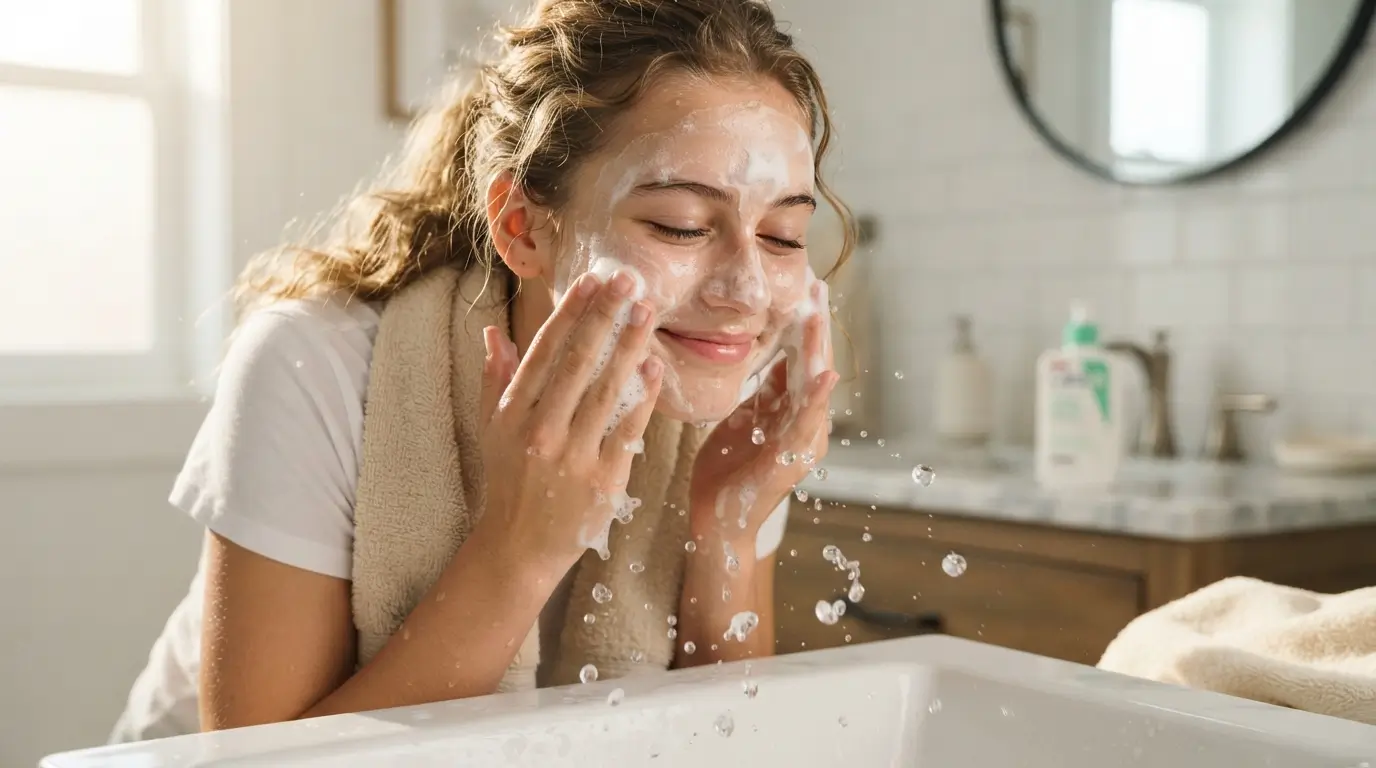
Washing your face should feel calming, never tight or squeaky. Pick a simple cleanser from drugstore brands like CeraVe, Cetaphil, or Vanicream instead of heavily fragranced soaps. Wet your face with lukewarm water, massage a nickel-sized amount between your wet palms, and glide it across your skin for sixty seconds. Hot water strips away protective natural oils, while freezing water fails to dissolve the dirt and grease from gym class.
Wash only twice a day, once in the morning and once before bed. If you play sports after school, rinse off immediately afterward with cool water or wipe down with micellar water. Sticking to a mild foaming cleanser removes dirt effectively without causing raw patches or midday oil surges.
Step 2: Choosing One Proven Active Ingredient
Applying three different acne creams to your cheeks on the same night guarantees a peeling disaster. Stick to one proven ingredient for at least two months before deciding whether it helps your skin. Salicylic acid clears out blackheads and oily pore blockages because it dissolves oil beneath the skin surface. Benzoyl peroxide targets red, inflamed pustules by wiping out acne-causing bacteria living inside the blemish.
If you choose benzoyl peroxide, pick a 2.5% or 4% wash instead of a leave-on paste that bleaches your favorite pillowcases and towels. Higher percentages do not clear pimples faster; they only cause flaking, itching, and peeling. Apply your chosen treatment every other night at first so your face adjusts comfortably without burning.
Step 3: Lightweight Hydration That Will Not Clog Pores
Oily skin still requires water, even when your forehead looks shiny by fourth period. Skipping moisturizer tricks your sebaceous glands into pumping out extra grease to coat dry areas. Choose an oil-free, non-comedogenic gel-cream that sinks into your pores within seconds.
Formulas featuring hyaluronic acid bind water directly to skin cells without leaving a heavy film. Smooth your moisturizer over slightly damp skin right after washing to lock in hydration. A well-hydrated face heals active spots twice as fast and stops the peeling caused by acne washes.
Step 4: Daily Sunscreen for Breakout-Prone Skin
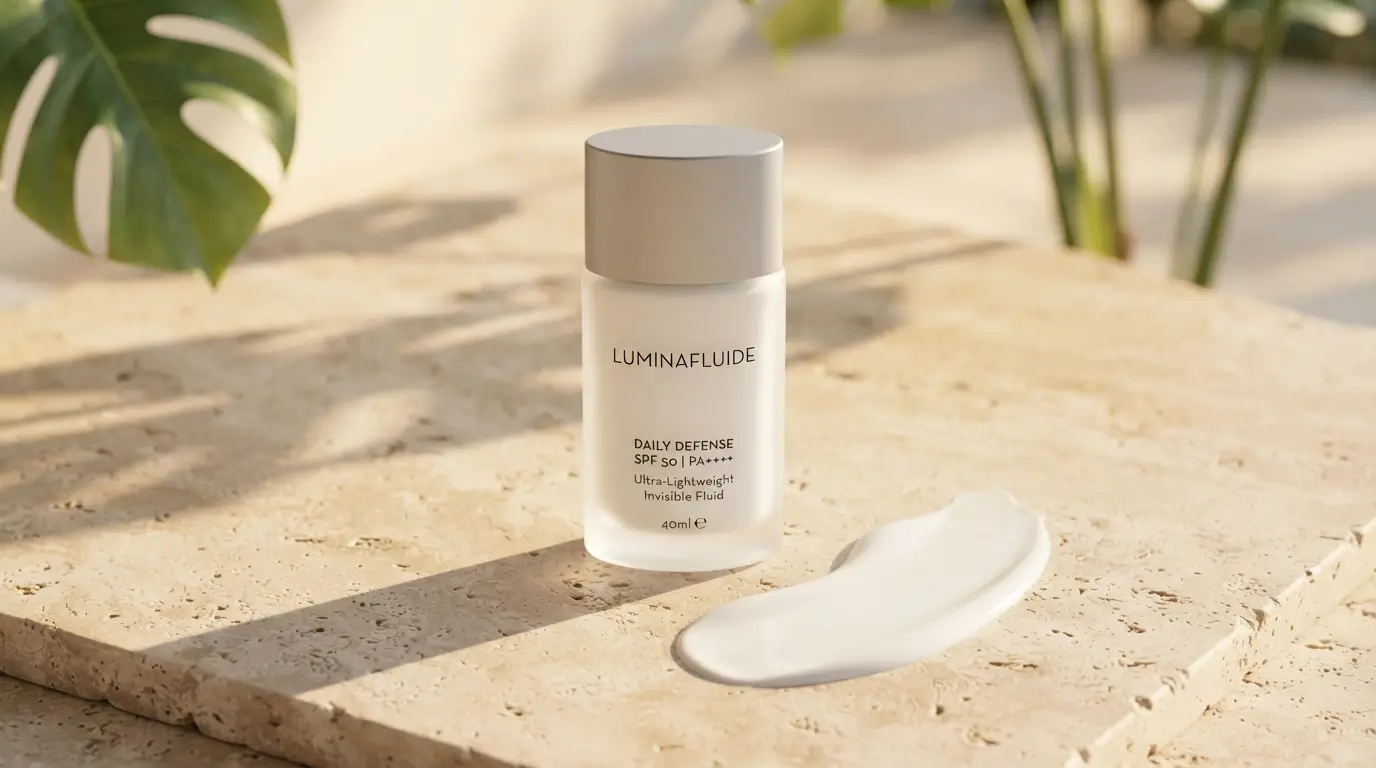
Sunlight might dry out a pimple for an afternoon, but UV rays darken acne spots into stubborn brown marks that last for months. These lingering post-blemish marks look worse than the original pimple and take forever to fade without sun protection. Look for fluid sunscreens labeled oil-free, matte-finish, or lightweight.
Formulas with zinc oxide work wonders for inflamed skin because mineral zinc naturally soothes redness while deflecting harmful rays. Apply a coin-sized blob every morning as your last step before walking out the door. Modern sunscreens feel weightless, dry clear, and prevent marks from turning into permanent scars.
Building a Beginner Friendly Acne Treatment for Teens: Morning vs Night
Consistency matters far more than having an expensive collection of serums. Setting up a beginner friendly acne treatment for teens requires patience above all else. Line up your bottles on the sink in the exact order you use them so you stay on track on busy mornings.
Morning Routine:
- Cleanse with lukewarm water or a pump of gentle foaming wash.
- Smooth a nickel-sized amount of lightweight gel moisturizer over damp skin.
- Apply broad-spectrum SPF 30 sunscreen evenly across your entire face and neck.
Evening Routine:
- Wash away the day’s sweat and grease with your gentle cleanser.
- Apply a pea-sized amount of your active treatment every other night.
- Coat your face with a soothing ceramide cream to protect your skin barrier while you sleep.
Spot Treatments and Patches for Sudden Breakouts
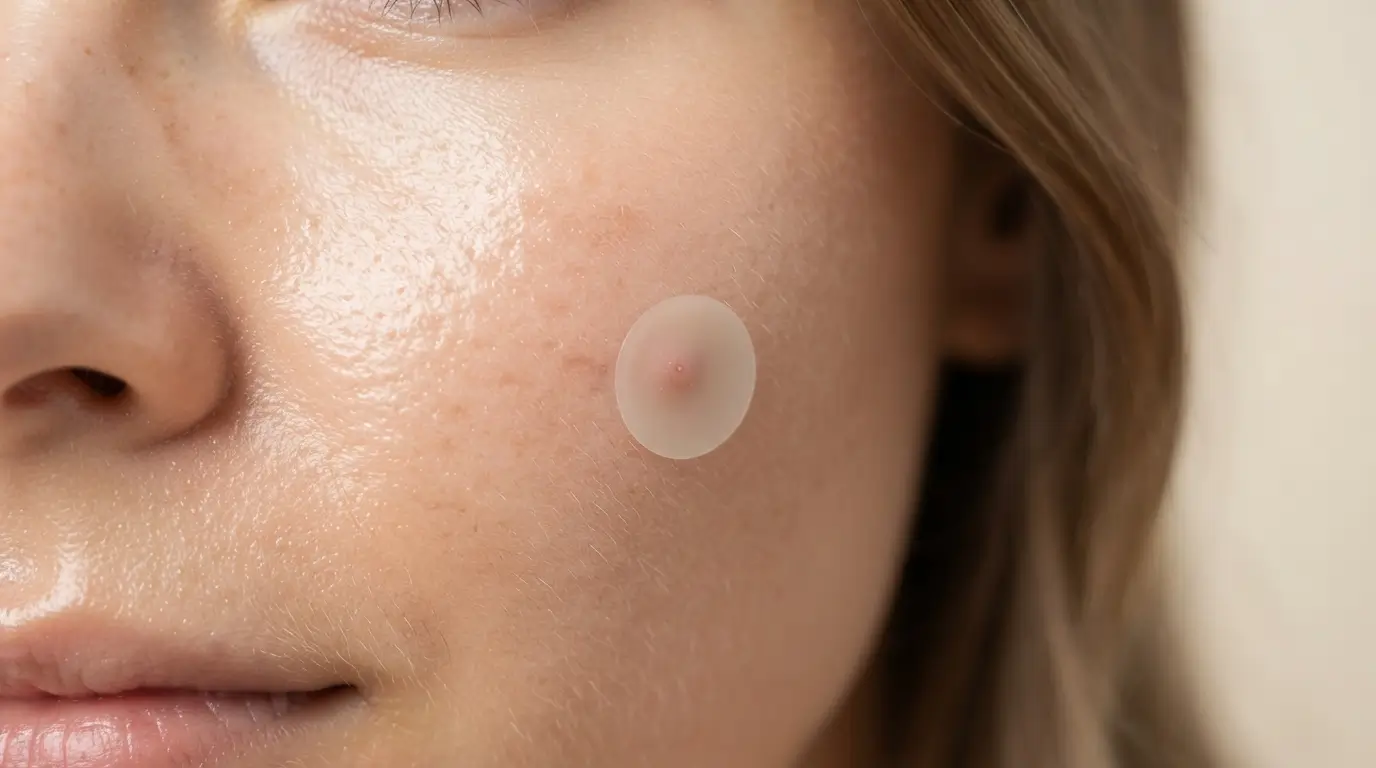
Popping a whitehead in the bathroom mirror almost always turns a tiny bump into a giant, scabbing disaster. Squeezing forces bacteria deeper into the pore, ruptures delicate tissue, and causes permanent indentations. Slap a tiny hydrocolloid patch directly over the whitehead instead.
These small stickers absorb fluid and pus while creating a physical barrier that stops you from picking during class. If you feel a blind, painful cyst forming under your skin, wrap an ice cube in a paper towel and hold it against the area for three minutes to reduce the swelling. FYI, pimple patches work while you sleep and blend so well that nobody notices them during the day.
Three Hidden Habits That Keep Breakouts Coming Back
Skincare products cannot do their job if dirty daily habits constantly rub bacteria into your pores. Sleeping on the same pillowcase for weeks presses dead skin, hair oils, and old sweat directly onto your cheeks for eight hours straight. Flip your pillowcase every two nights and wash your bedding weekly.
Wipe your smartphone screen with an alcohol pad daily because holding a greasy glass screen against your jawline triggers localized breakouts. Finally, keep your hands off your face during class. Resting your chin on your palms transfers dirt into your pores, undoing the benefits of your daily routine.
Frequently Asked Questions
How long does a beginner friendly acne treatment for teens take to work?
Skin cells take roughly four to six weeks to regenerate, so give any new routine at least two full months. You might see less inflammation within two weeks, but genuine clearing requires patience. Constantly switching products every few days irritates pores and resets your skin healing progress completely.
Should I pop pimples if they have a clear whitehead?
Popping pushes bacteria deeper into surrounding pores, creating larger cysts and dark scars. Apply a hydrocolloid patch over the whitehead before bed instead. The patch absorbs the pus gently overnight without tearing delicate tissue, flattening the bump by morning without leaving a rough mark behind.
Can drinking more water actually clear up teen breakouts?
Drinking water supports general body health, but it cannot cure hormonal acne or unclog pores alone. Hydration helps skin cells shed normally, which prevents flaking and excess dryness. Think of water as a helpful daily habit alongside your gentle cleanser, active treatment, and daily sunscreen.
Is salicylic acid or benzoyl peroxide better for beginners?
Salicylic acid works best for blackheads, whiteheads, and oily pores because it dissolves grease deep inside follicles. Benzoyl peroxide works better for red, throbbing pimples because it kills acne bacteria. Start with a gentle 2% salicylic acid wash if you want an easy, everyday entry point.
When should a teenager see a dermatologist for acne?
Book a dermatologist visit if breakouts leave deep scars, cause severe pain, or form large cysts beneath the skin. Basic routines handle mild to moderate acne well, but severe hormonal acne often requires prescription creams or oral medication to prevent permanent texture damage.
Conclusion
Clearing your skin takes time, so stick with these basic steps and let your routine work without rushing the process. Drop the harsh scrubs, be gentle with your face, and celebrate the small improvements along the way. Which step are you adding to your morning routine first?

One thought on “Beginner Friendly Acne Treatment for Teens 2026”