
Finding a quick anti-aging regimen for night shift nurses felt impossible when my mirror showed dull skin and deep lines under harsh hospital lights at 04:00. Circadian disruption wrecks your moisture barrier fast. You do not need a complicated ten-step routine when you are completely exhausted. You just need targeted, hard-working formulas that repair overnight stress while you sleep during the day.
1. Cleanse Away Hospital Grime Without Stripping Lipids
Rushing home after twelve grueling hours leaves most of us wanting to collapse straight into bed without looking at the sink. Washing off sweat, airborne pathogens, and hospital grime is essential if you want to prevent clogged pores and premature breakdown of collagen. Foaming cleansers loaded with harsh sulfates strip your acid mantle and leave your skin tight, flaky, and prone to inflammation.
Adopt a rapid two-minute double cleansing method using an oil-based balm followed by a gentle, non-foaming wash. Massage a dime-sized amount of Kose Softymo Speedy Cleansing Oil across dry skin to dissolve sunscreen and environmental grime, then rinse with lukewarm water. Follow immediately with CeraVe Hydrating Facial Cleanser to remove residue while infusing ceramides and hyaluronic acid back into parched tissue. Your skin feels clean, calm, and ready to absorb active ingredients rather than tight and parched.

2. Why This Quick Anti-Aging Regimen for Night Shift Nurses Relies on Retinol
Applying active ingredients right before climbing into bed turns daytime sleep into peak cellular repair time. Skin cells increase mitosis and turnover during sleep cycles regardless of whether you sleep at midnight or noon. Vitamin A remains the gold standard for smoothing fine lines, firming lax skin, and fading post-shift breakout marks.
Also Read: Easy Anti-Aging Routine for Skincare Beginners 2026
Look for a formula containing encapsulated retinaldehyde such as Medik8 Crystal Retinal 3 instead of traditional prescription tretinoin. Encapsulated delivery systems release the active ingredient slowly while you sleep, which reduces redness and peeling on sensitive shift-worker skin. Smooth two pumps over your face and neck after cleansing. If your skin feels sensitive from winter heating or mask friction, buffer the retinol by applying a layer of light moisturizer first.
3. Seal the Moisture Barrier with Ceramide Creams
Hospital HVAC systems cycle dry air constantly, which robs skin cells of vital hydration during long shifts. Transepidermal water loss accelerates when your biological clock is desynchronized, leaving skin looking deflated and exaggerating fine lines around the eyes and mouth. Heavy slugging with pure petrolatum can trap sweat and cause milia, but a rich lipid cream provides the ideal middle ground.
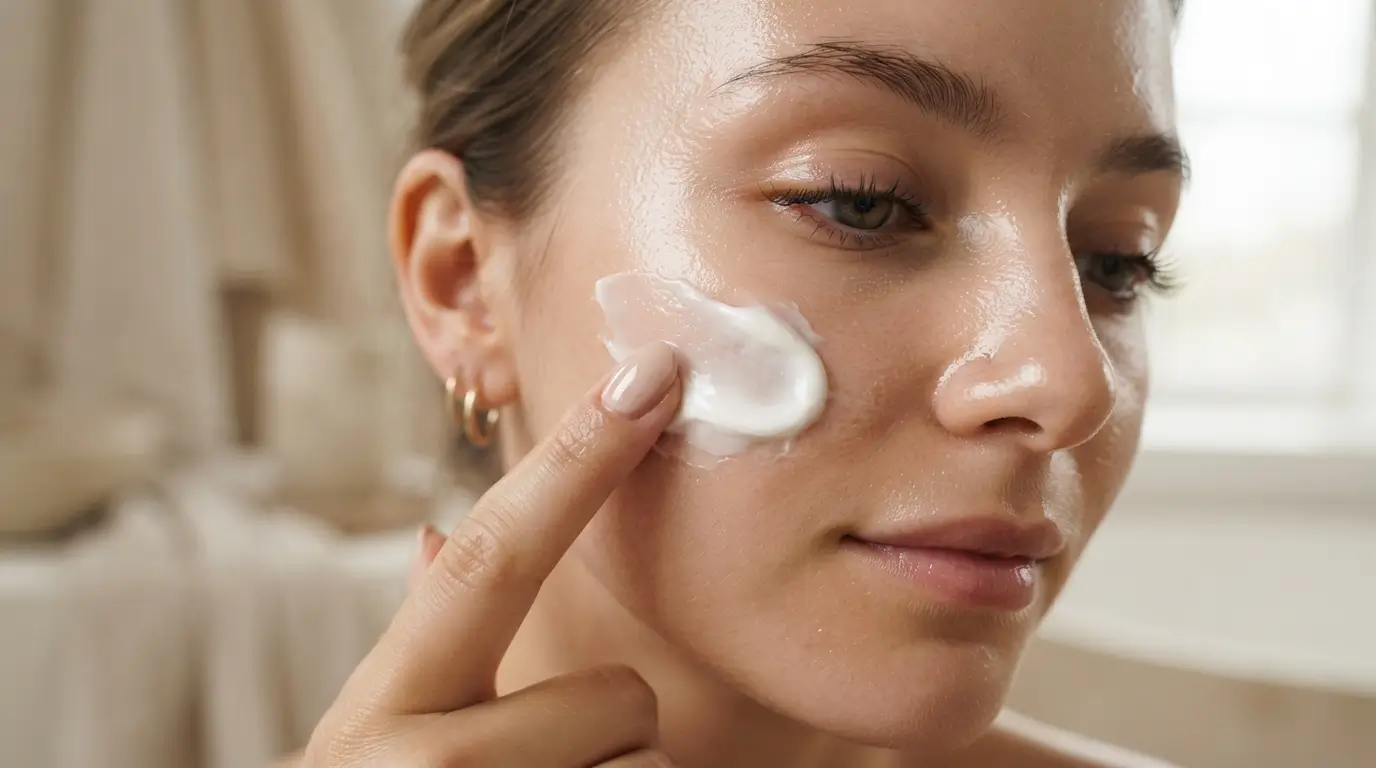
Following a quick anti-aging regimen for night shift nurses means choosing multi-tasking formulas rather than endless layers. Reach for a barrier restoration cream packed with ceramides, fatty acids, and cholesterol like Dieux Skin Instant Angel or Avene Cicalfate+. Press a nickel-sized amount into your face, neck, and chest to complete your lipid barrier repair before pulling down your sleep mask. This occlusive layer seals in your retinol, locks in water molecules, and prevents ambient air from drying your skin while you rest.
4. Shield Your Commute with Broad Spectrum Mineral Sunscreen
Stepping into bright morning sunlight at 07:30 exposes your tired skin to intense UVA radiation during the drive home. UVA rays penetrate deep into the dermis, where they destroy collagen fibers and create uneven pigmentation. These aging rays cut directly through automotive glass, which means your car ride home does measurable damage over months of commuting.
Keep a bottle of tinted zinc oxide protection in your locker or center console for a fast, one-step shield. Formulas like EltaMD UV Physical Broad-Spectrum SPF 41 provide physical sun deflection alongside tinted iron oxides that block high-energy visible light. Smooth a quarter-teaspoon over your face right before walking out the hospital exit doors. FYI, physical mineral filters sit on top of the skin immediately, so you do not need to wait twenty minutes for chemical filters to activate before stepping outside.
5. Combat Mask Friction and Breakouts During 03:00 Rounds
Prolonged wear of tight N95 masks creates micro-tears along the bridge of the nose and cheeks. Friction weakens the structural integrity of your skin barrier, which accelerates localized skin thinning and causes chronic redness. Trapped moisture from breathing inside personal protective equipment also breeds bacteria that lead to adult acne and subsequent scarring.
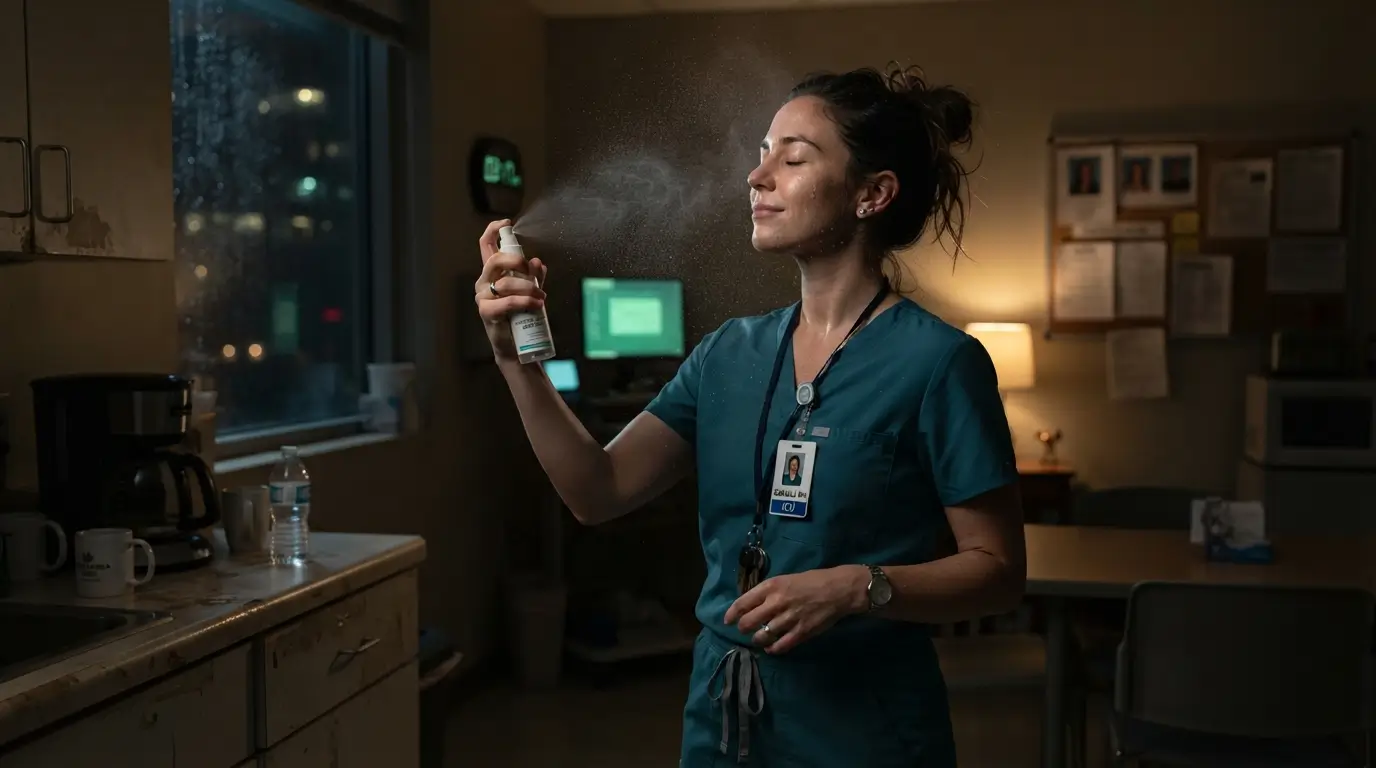
Sticking to a quick anti-aging regimen for night shift nurses requires preventative steps while still on the floor, not just post-shift recovery. Keep a travel-sized hypochlorous acid spray like Tower 28 SOS Daily Rescue in your scrub pocket. Mist your face generously during bathroom breaks or mid-shift charting sessions to neutralize surface bacteria and calm inflammation on contact. The anti-inflammatory mist dries cleanly in seconds, preserves your barrier, and prevents deep cystic breakouts without disrupting your shift flow.
6. Wake Up Skin with Morning Caffeine and Peptides
Dragging yourself out of bed at 16:00 often reveals puffy under-eyes and a lackluster complexion. Fluid pools around the ocular area during irregular sleep cycles, while slow microcirculation leaves skin looking grey and depleted. You do not need a lengthy morning routine before heading back onto the floor, but you do need targeted plumping agents.
Implementing a quick anti-aging regimen for night shift nurses gives your skin the structural signals it needs to rebuild collagen even on low sleep. Skip a second soap cleanse upon waking, splash your face with cold water, and apply three drops of copper peptides using The Ordinary Multi-Peptide + Copper Peptides 1%. Follow with Biossance Squalane + Peptide Eye Gel gently tapped around the orbital bone. Peptides signal fibroblasts to produce structural proteins, while topical caffeine constricts sluggish blood vessels to banish dark under-eye shadows before your pre-shift huddle.
7. Build a Blackout Environment for Maximum Cellular Regeneration
Topical serums work best when paired with an environment that supports true restorative rest. Daylight leaks through standard window blinds suppress natural daytime hormone regulation, cutting short the biological repair cascade that smooths fine lines and restores moisture balance. High-quality sleep directly impacts cellular turnover and human growth hormone production.
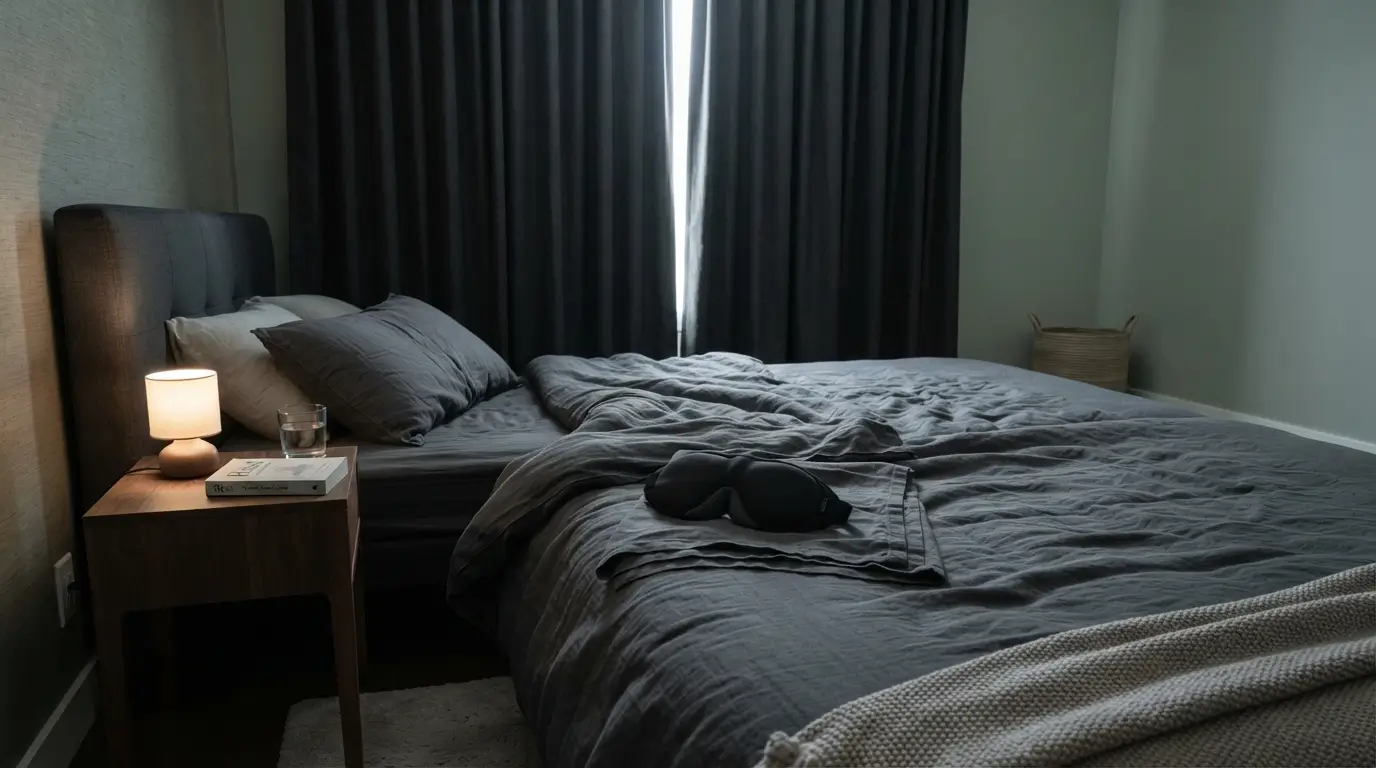
A truly effective quick anti-aging regimen for night shift nurses extends beyond topical creams to your sleeping quarters. Install total blackout static cling film on bedroom windows, drop your thermostat to 65 degrees, and slip on a contoured eye mask like the Manta Sleep Mask Pro. Blocking every stray photon of light optimizes melatonin synthesis during your off-peak resting hours. Deep delta sleep gives your skin the metabolic window it needs to rebuild elastic fibers, heal daily oxidative damage, and keep your complexion glowing.
Frequently Asked Questions
How does working night shifts accelerate skin aging?
Working irregular hours disrupts circadian rhythms, which spikes cortisol levels and slows natural collagen production. Night shifts also decrease cellular regeneration rates and accelerate transepidermal water loss. The combination of artificial hospital air, mask friction, and chronic fatigue leaves skin prone to premature wrinkles, puffiness, and persistent dullness.
When should night nurses apply active ingredients like retinol?
Apply retinol right before your main daytime sleep block, not before your shift. Your skin undergoes peak cellular renewal during sleep, even if you rest from 09:00 to 17:00. Keeping your bedroom pitch black ensures daytime light exposure will not degrade the active vitamin A on your face.
Can I skip sunscreen if I only drive home and sleep?
Never skip sunscreen on the morning commute home. Damaging UVA rays pass directly through car windows and windshields, breaking down elastin fibers and triggering dark spots. A quick coat of mineral sunscreen before leaving the hospital protects your skin barrier during the drive and while running daytime errands.
What is the best quick anti aging regimen for night shift nurses with dry skin?
Dry skin thrives on barrier-first care. Skip harsh physical scrubs and fragrance-laden serums entirely. Instead, use a gentle oat-based cleanser, follow with a soothing centella asiatica serum, and seal with a rich ceramide cream. Introduce a low-strength encapsulated retinal once or twice a week to avoid irritation while protecting your barrier.
How do I stop hospital fluorescent lighting from damaging my skin?
Hospital overhead lights emit low levels of visible light that can trigger oxidative stress and worsen hyperpigmentation over long shifts. Using a daily moisturizer with antioxidants like vitamin C or niacinamide neutralizes free radicals. Mineral sunscreens containing iron oxides also provide an extra protective barrier against indoor light exposure.
Conclusion
Taking care of your skin while working crazy hours does not require an overwhelming ten-step counter full of products. Focusing on a solid double cleanse, smart retinoid use before sleep, and consistent barrier protection keeps fine lines at bay without eating into your precious rest time. What does your current post-shift skincare routine look like right now?

One thought on “Quick Anti-Aging Regimen for Night Shift Nurses 2026”